
Ekiti SUBEB Trains Technical Officers on Digital Project Monitoring

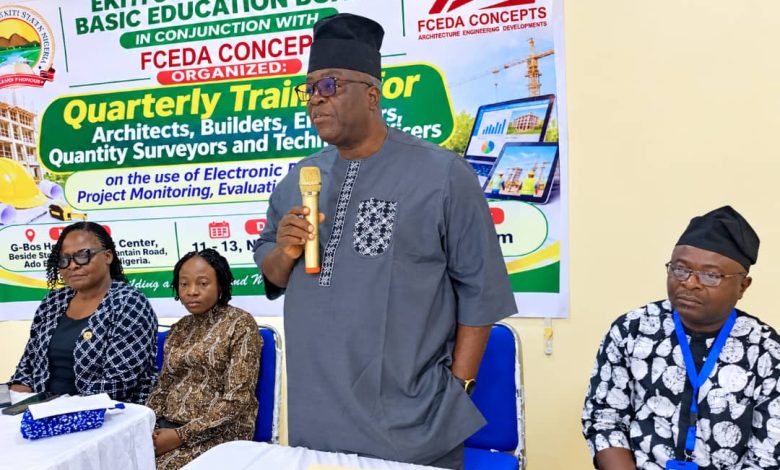
The Ekiti State Universal Basic Education Board (SUBEB) has commenced quarterly training for technical officers on the use of electronic devices to strengthen the monitoring, evaluation and reporting of basic education projects across the state.

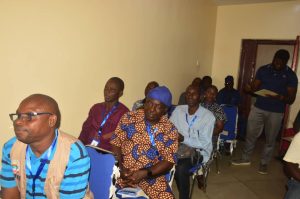
The training, which targets architects, builders, engineers, quantity surveyors and other technical officers, is aimed at improving real-time supervision of Universal Basic Education Commission (UBEC) and SUBEB intervention projects in public primary and junior secondary schools.
Flagging off the exercise, Ekiti SUBEB Executive Chairman, Prof. Femi Akinwumi, said the initiative was designed to enhance accuracy, transparency and efficiency in project monitoring and reporting through technology-driven processes.
He explained that electronic monitoring would eliminate guesswork, improve documentation, identify substandard work at an early stage and ensure that contractors delivered projects according to specifications and agreed timelines.
Akinwumi urged the participants to uphold professionalism, integrity and impartiality in the discharge of their responsibilities, stressing that credible monitoring and reporting were essential to sustaining public confidence in government-funded school projects.
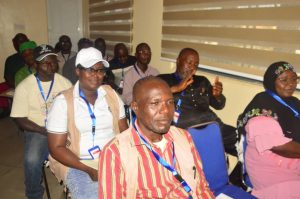
The SUBEB chairman commended the officers for their commitment to service delivery, noting that their field activities remained critical to the successful implementation of basic education infrastructure projects in the state.
He further emphasised the need for continuous supervision of projects from commencement to completion to ensure quality delivery and value for every kobo spent by the government.
The education administrator also commended Governor Biodun Oyebanji for the timely release of counterpart funds, which he said had enabled UBEC and SUBEB intervention projects to commence without unnecessary delays.
According to him, the governor’s consistent provision of matching grants has helped position Ekiti among states making significant progress in basic education development.
Akinwumi urged technical officers drawn from the state and local governments to harmonise their activities and work collaboratively to achieve better project outcomes.
He said fragmented supervision should give way to coordinated efforts among professionals involved in project implementation, adding that effective collaboration would promote quality, accountability and timely completion of school projects across the state’s 16 local government areas.
Earlier, SUBEB Permanent Secretary, Mr Michael Omolayo, said the training was organised to familiarise participants with global best practices in the application of digital tools for project monitoring, evaluation and reporting.
Omolayo, who was represented by the Director of Physical Planning, Builder Olurotimi Durojaiye, said conventional methods of project monitoring, often characterised by delays, inaccuracies and inadequate documentation, were gradually giving way to more efficient, evidence-based and technology-driven approaches.
He explained that electronic devices would enable officers to capture real-time information from project sites, transmit accurate reports promptly, monitor progress effectively and provide verifiable evidence of work executed.
The permanent secretary urged participants to take the training seriously, embrace the new technology and apply the knowledge acquired to improve service delivery in their respective areas of responsibility.
Also speaking, Deputy Director of Physical Planning, Mr Olugbenga Ariyo, thanked the participants for their punctuality and attendance.
He expressed confidence that the quarterly exercise would equip the officers with the skills required to deploy electronic devices for evidence-based monitoring, evaluation and reporting in line with modern professional standards.
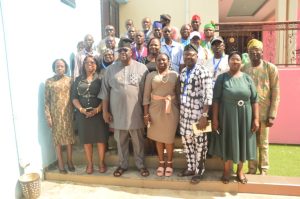
SUBEB directors, deputy directors and the lead facilitator, Dr Foluso Awe, attended the training.